
Objectives:
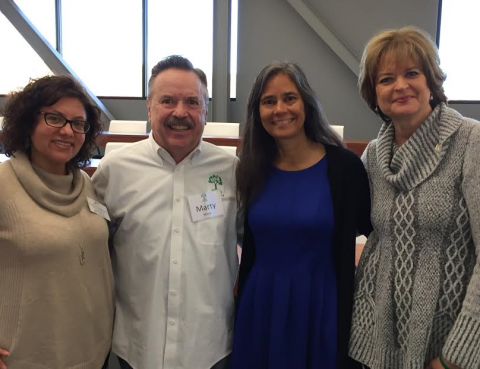
* Gain an Understanding on the relationship between your Transplant and your Ski
* How to Prevent and Find Skin Cancers Early On.
* Common Skin Infections After Transplantation.
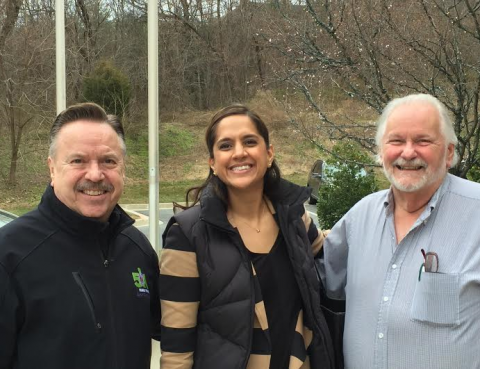
Guest Speaker….Marisha J. (Patel) Loss, M.D.
Assistant Professor / Department of Dematology
Johns Hopkins Hopital / Baltimore, Maryland
https://drive.google.com/file/d/0Bwg2ZDLgZ0ENcVpsYmkzMGFfSXM/view?usp=sharing

http://www.whatsyourgrief.com/grief-and-easter/
For me Easter isn’t the holiday that first comes to mind when we talk about how hard grief can be on the holidays or special days. And yet crawling out of winter, filled with dark and cold, into Easter and spring, filled with bunnies and baskets and pink, it can be a jarring as those Christmas carols that seem to start playing in November. The hardest holidays are different for all of us, with different meanings and memories. Easter can be a tough one, especially with all the talk of spring, rebirth, and new life. Others may be excited and you may be . . . well, not excited.
So what can you do, other than crawl under the covers and hide? Read more…..
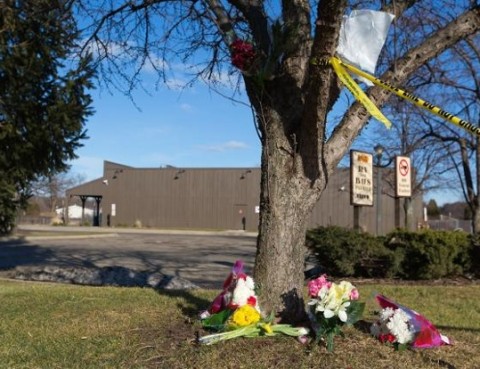
After reading so many of the inaccurate and dangerous headlines from the past few days, we couldn’t stay silent. Please read and share our open letter to the media as we discuss the cost of a sensationalist headline; grief to a family coping with tragedy; disrespect to millions of hardworking medical professionals; enormous pain to donor families; false hope to those whose loved ones may experience brain death in the future; costing thousands a second chance at life; and making a mockery of a life-saving process that honors life and second chances above all else.
We hope that media outlets who originally reported this story will be compelled to learn more about the organ donation process and why these types of false headlines are so dangerous and hurtful to us all. Continued…
The Living Legacy Foundation of Maryland
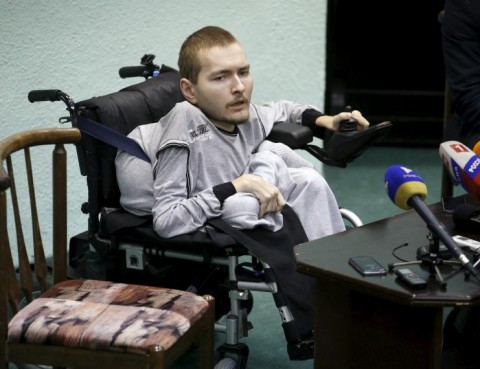
Valery Spiridonov, a 30-year-old Russian who has a degenerative muscle condition known as Werdnig-Hoffman, wants to become the first person to undergo a human head transplant. It would be performed by an Italian neurosurgeon, Dr. Sergio Canavero, who says he believes he has a 90 percent chance of success. “Are we ready for the first human head transplant”…Read morehttp://www.newsweek.com/we-ready-human-head-transplant-423757

Welcome to “TRIO Marylands” Blog – a place where people that are “Transplant Living” get connected.
To get started…
- Introduce yourself.
- Tell your story.
- Read Stories from other who are “Transplant Living”.

Human organs are being grown inside sheep and pigs in a bid to save the lives of those on organ donation waiting lists.
More than 50 sheep and pigs have been implanted with human-animal hybrid embryos with the aim of them developing into fully functional human hearts, livers and other major organs. Read more….and give us your thoughts !

Deciding whether to write your donor family is a personal and sometimes difficult decision. Perhaps you don’t feel ready to write or don’t know exactly what to say, or maybe you are bursting to thank your donor’s family and tell them of the impact their loved one had on your life. You have a unique story to tell, and we want you to tell it at your own pace. http://www.thellf.org/for-recipients/writing-to-your-donor-family/
Read more………………
More than 100,000 people in our country are currently waiting for a life-saving kidney transplant How can we lower this number ?? Your comments…….

How did you feel when you received your ” Second Chance” in life ??
When most people think about getting an organ transplant, they focus on the obvious physical aspects: the illness, the operation, and the healing. They’re less likely to think about the emotional impact. But that can be profound too, both for you and the people around you.
Nearly all people who receive a transplant, experts say, feel elated and experience a sense of relief and hope after a surgery that goes well. But with time, that initial optimism may be tinged with other feelings. You may start to worry about your condition coming back. You may be afraid of organ rejection. Or you may fixate on the uncertainty of the future.